



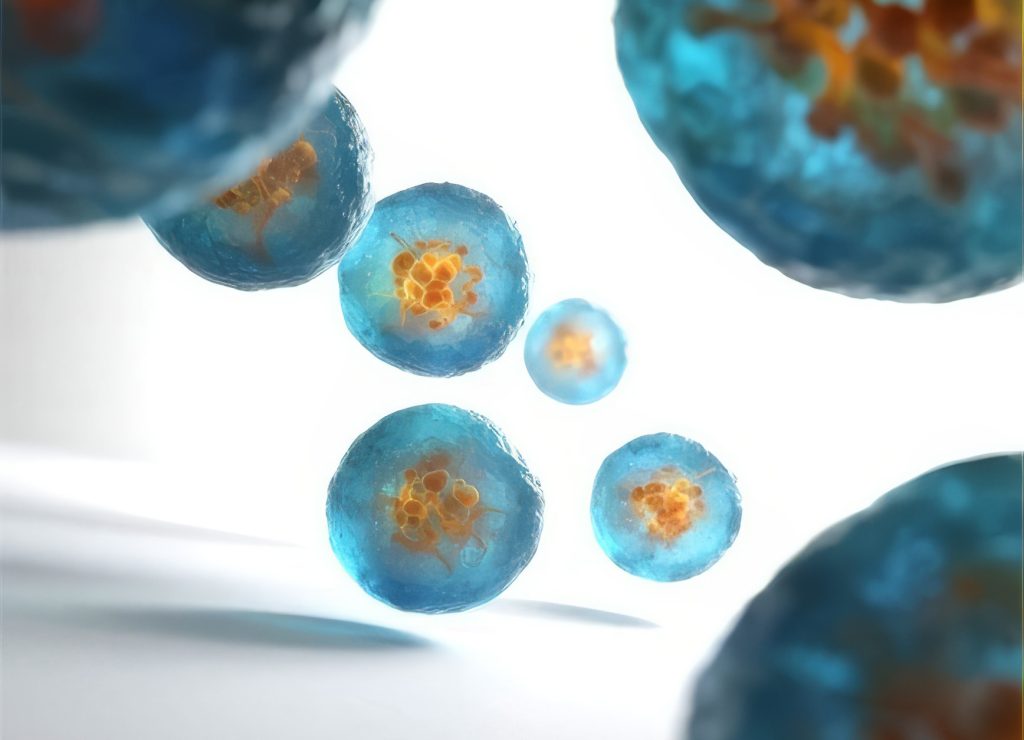
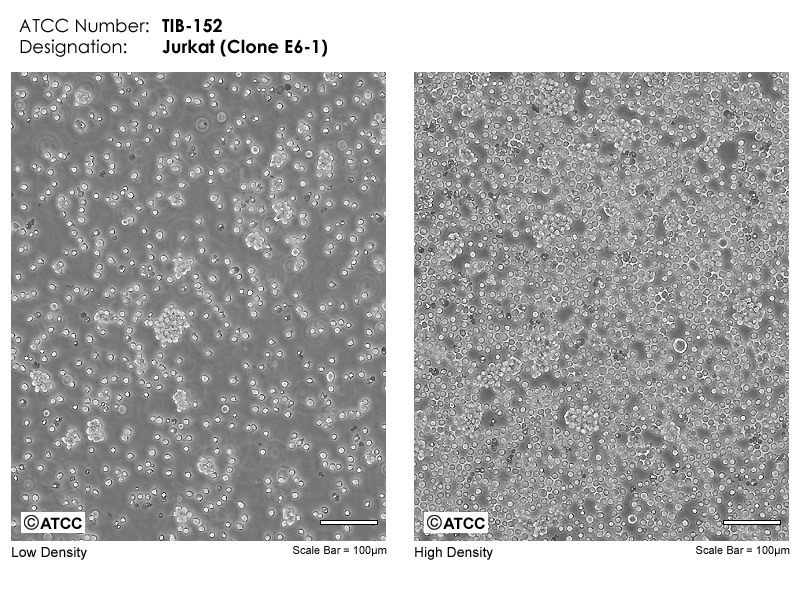
Jurkat (Clone E6-1) cells are a classic model for T cell research. They have been established in the 1970s and have been widely used in immune mechanisms, disease research and drug development.
Part. 01
Basic characteristics of Jurkat cells
Basic characteristics
The Jurkat Clone E6-1 cell line was born in the 1970s and was derived from the peripheral blood of a 14-year-old patient with acute T lymphoblastic leukemia (T-ALL). As an immortal human T lymphocyte line, it has the following unique advantages:
- Suspension growth characteristics
- Synergistic stimulation by Phorboate/exogenous lectin or anti-CD3 monoclonal antibody can efficiently secrete IL-2
- Expressing a variety of chemokine receptors (CXCR4, etc.), highly susceptible to viruses such as HIV
Part. 02
The core application of Jurkat cells in biomedical research
Core applications
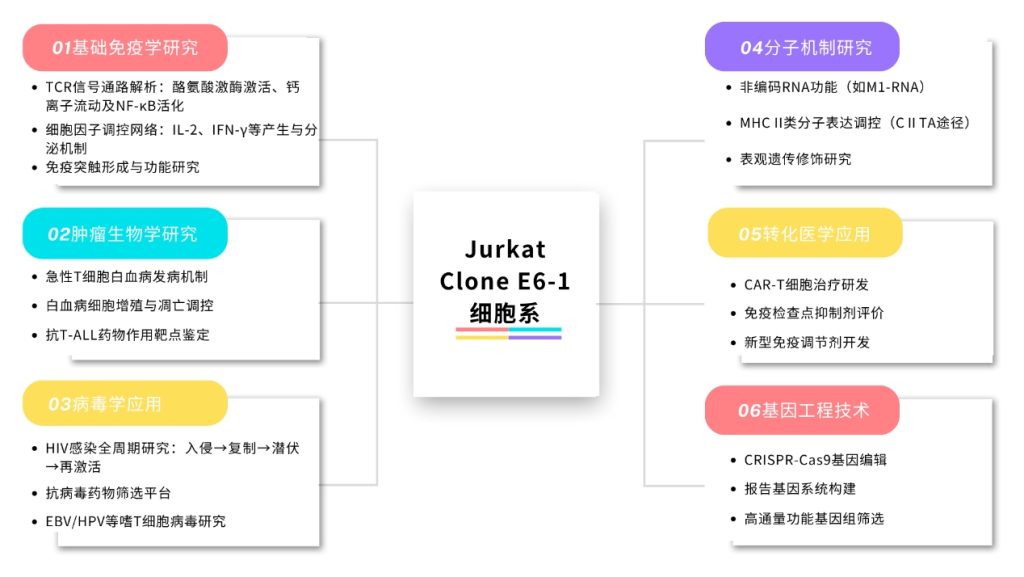
Jurkat cells are widely used and are mainly used to study issues related to immunology and cancer biology.
1. Basic immunology research
- TCR signaling pathway analysis: tyrosine kinase activation, calcium ion flow and NF-kB activation
- Cytokine regulatory network: IL-2, IFN-γ and other production and secretion mechanisms
- Research on the formation and function of immune synapses
2. Tumor biology research
- Pathogenesis of acute T-cell leukemia
- Regulation of leukemia cell proliferation and apoptosis
- Identification of targets of action of anti-T-ALL drugs
3. Virology application
- Research on the full cycle of HIV infection: invasion → replication → latent → reactivation
- Antiviral drug screening platform
- Research on T-cell viruses such as EBV/HPV
4. Molecular mechanism research
- Non-coding RNA functions (such as M1-RNA)
- MHC Class II molecular expression regulation (CTATA pathway)
- Epigenetic modification research
5. Translational medicine applications
- Research and development of CAR-T cell therapy
- Evaluation of immune checkpoint inhibitors
- Development of new immunomodulatory agents
6. Genetic engineering technology
- CRISPR-Cas9 gene editing
- Reporter gene system construction
- High-throughput functional genome screening
Part. 03
Difficulties and efficiency improvement of Jurkat cell transfection
Difficulties in transfection
1. The main difficulties of Jurkat cell transfection
1. Suspension growth characteristics
Compared with adherent cells, the contact efficiency between suspended cells and transfection reagents is low.
2. Poor cell membrane stability
Electroporation or chemical transfection can easily cause membrane rupture and high cell mortality.
3. Low cracking activity
Division is slow (compared to cells such as HEK293), which limits the efficiency of genome integration of viruses or plasmids.
4. High endogenous nuclease activity
Exogenous DNA/RNA is easily degraded.
2. General techniques to improve the efficiency of Jurkat cell transfection

Part. 04
ANRim UniquePOKE®Transfection reagents improve Jurkat transfection efficiency
Improve transfection efficiency
产品 Product introduction
UniquePOKE®It is an advanced nano-needle-based transfection kit designed to simplify and enhance gene delivery and is suitable for clinical and research applications. Using vertically arranged nanostructures, UniquePOKE®It realizes efficient, low-cost and biocompatible delivery of intracellular genetic material without the need for viral vectors or chemical reagents. It provides powerful solutions for genetic modification in therapeutic cell manufacturing, including immunotherapy and stem cell engineering, and accelerates the commercialization of nano-needle biochip technology.
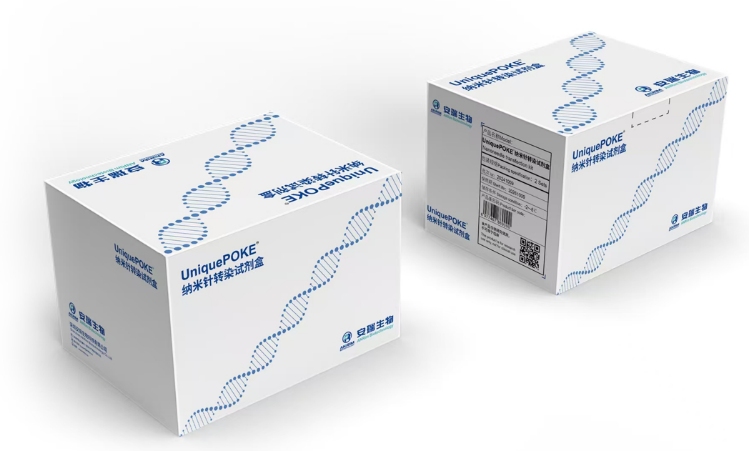
▌ UniquePOKE®Three innovations in nano-needle transfection reagents
- Non-invasive penetration: 10 years of precipitation of nano-needle technology, patented nano-needle array ”seamless" delivery;
- Safe and non-toxic: 0 chemical reagents! Say goodbye to cytotoxicity, the cell survival rate is UP↑, and the efficiency of difficult-to-transfect cells is significantly improved.;
- Strong universality: suitable for almost all cell types from stem cells to immune cells;
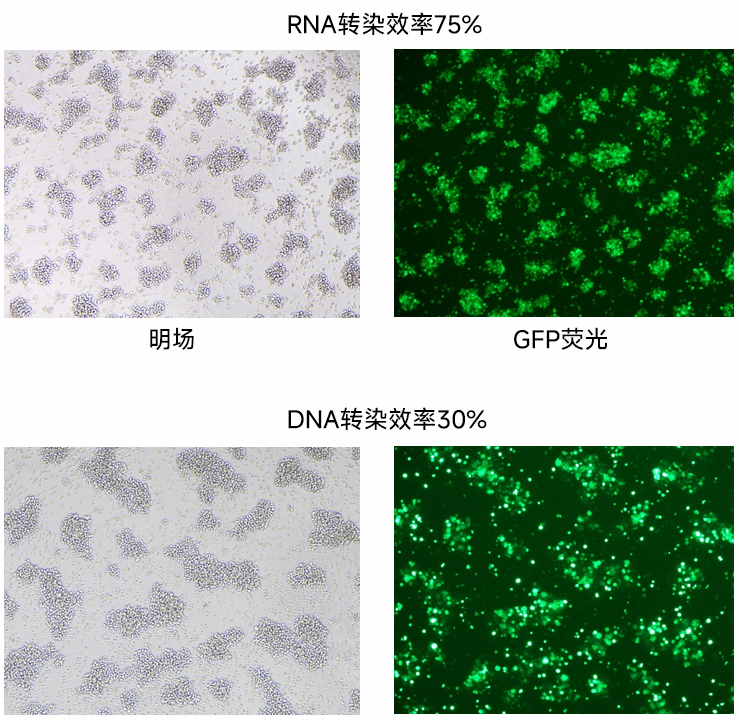
染 Transfection of Jurkat cells
Use UbiquePOKE®Nano-needle transfection reagents deliver genetic material to Jurkat cells.
Part. 05
ANRim Nano Needle Biochip
Nanoneedle biochip
ANRim nano-needle biochip technology precisely controls the composition and surface characteristics of nanostructures to create an efficient biological interface for gene delivery. This biochip can physically penetrate the cell membrane and achieve high-throughput non-viral transgenic delivery without damaging the cell, thus providing a brand-new toolkit for in vitro biological manufacturing of therapeutic-efficacious engineering cells, especially suitable for the manufacture of chimeric antigen receptor immune cells (CAR-T) and programmable stem cells.(iPSC), has a wide range of application prospects in its related fields of immunotherapy and stem cell therapy.
Relying on this technology, ANRim has built four core tools, provided genetic testing solutions, covered the entire research and development scene, and provided technical empowerment for the fields of cell therapy and genetic engineering.
ANRim is committed to promoting the application of nanotechnologies in cell therapy, gene editing and other fields with the concept of ”science and technology for inclusive medical care”.