



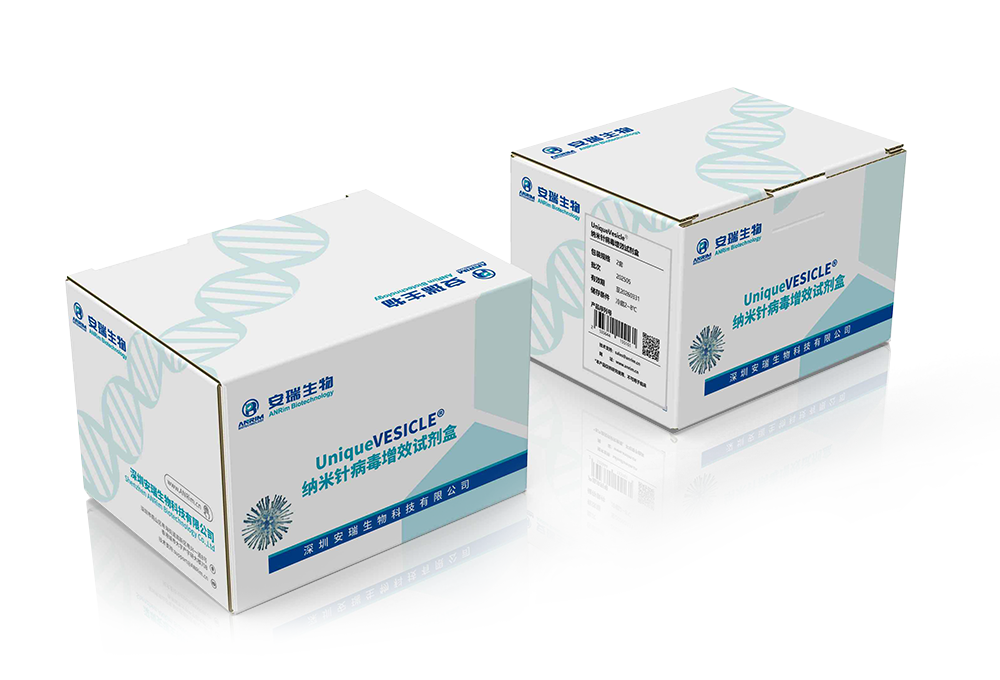


UniqueVesicle® is a viral delivery enhancement tool. Leveraging the superior infectivity of lentiviruses, it efficiently targets both dividing and non-dividing cells, such as neurons and cardiomyocytes, demonstrating unique value in gene therapy and cell biology research. This kit employs a breakthrough approach combining nano-needle technology with lentiviral delivery, reconstructing cellular delivery pathways through a physical-biological synergistic mechanism. Compared with conventional methods, it significantly enhances intracellular delivery efficiency of viral particles, including lentivirus, AAV, and adenovirus, reducing the required viral dose while maintaining stable transduction even at low viral concentrations. This fundamentally lowers viral costs in both research and clinical applications, providing an economical and efficient solution for gene delivery studies.
By physically puncturing the cell membrane with a nano-needle array, transient pores are formed, allowing viral vectors to bypass receptor-mediated and endocytic pathways and directly enter the cytoplasm with high efficiency. Once inside the cell, the viral vectors utilize their intrinsic mechanisms to undergo uncoating, genome transport, and gene expression. The core breakthrough lies in physically and significantly enhancing the efficiency of viral entry into cells.
1、CAR-T/TCR-T cell therapy: Efficient transduction of primary human T cells with CAR or TCR genes, one of the most prominent applications today.
2、Stem cell engineering: Genetic modification of iPSCs or adult stem cells, including gene editing and reporter gene insertion.
3、Neuroscience research: Transfection of primary neurons that are difficult to transfect using conventional methods.
4、Gene therapy research: Efficient delivery of therapeutic genes in in vitro cell models.
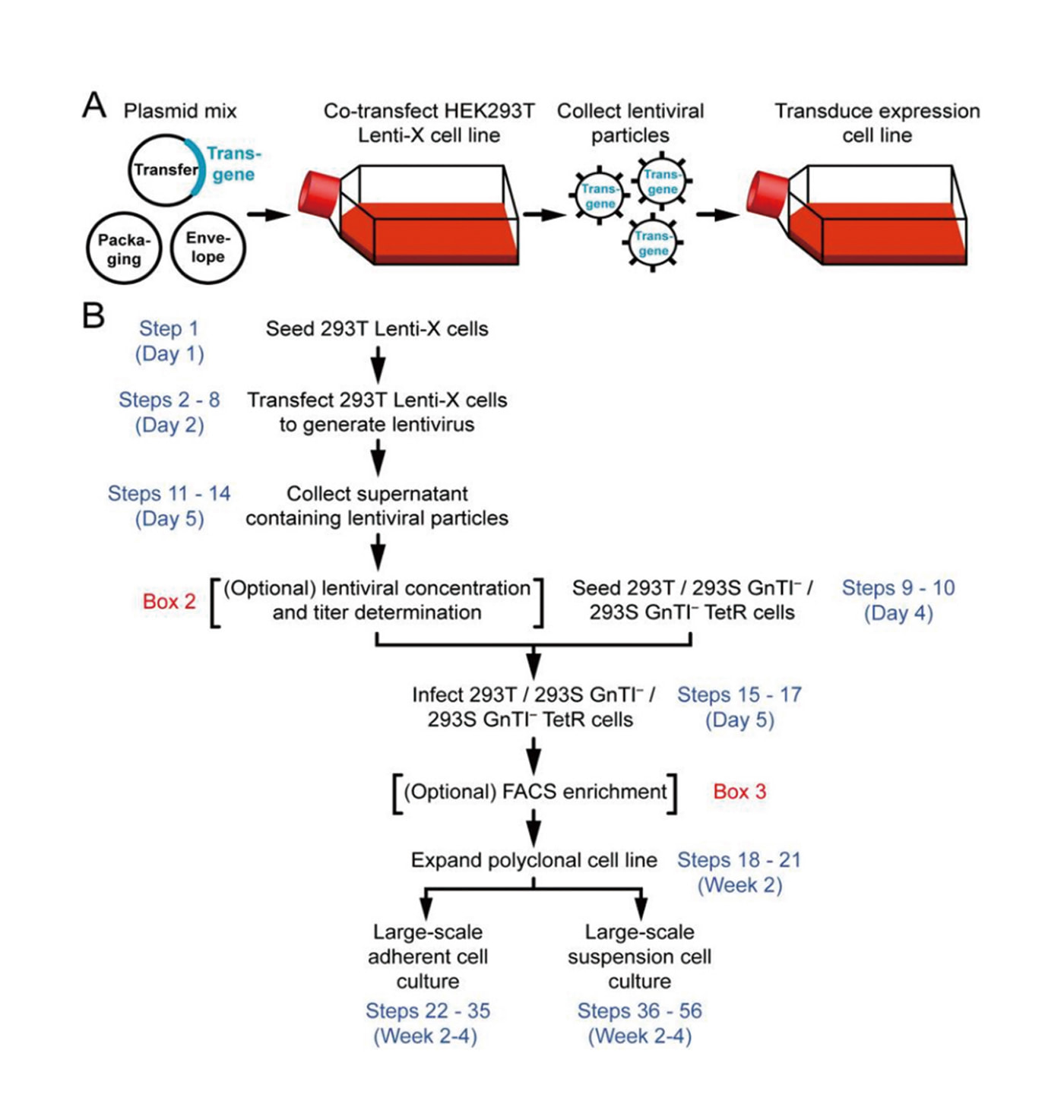
5、Studies have shown that mammalian cells transduced with lentivirus can rapidly produce high levels of soluble and membrane proteins.
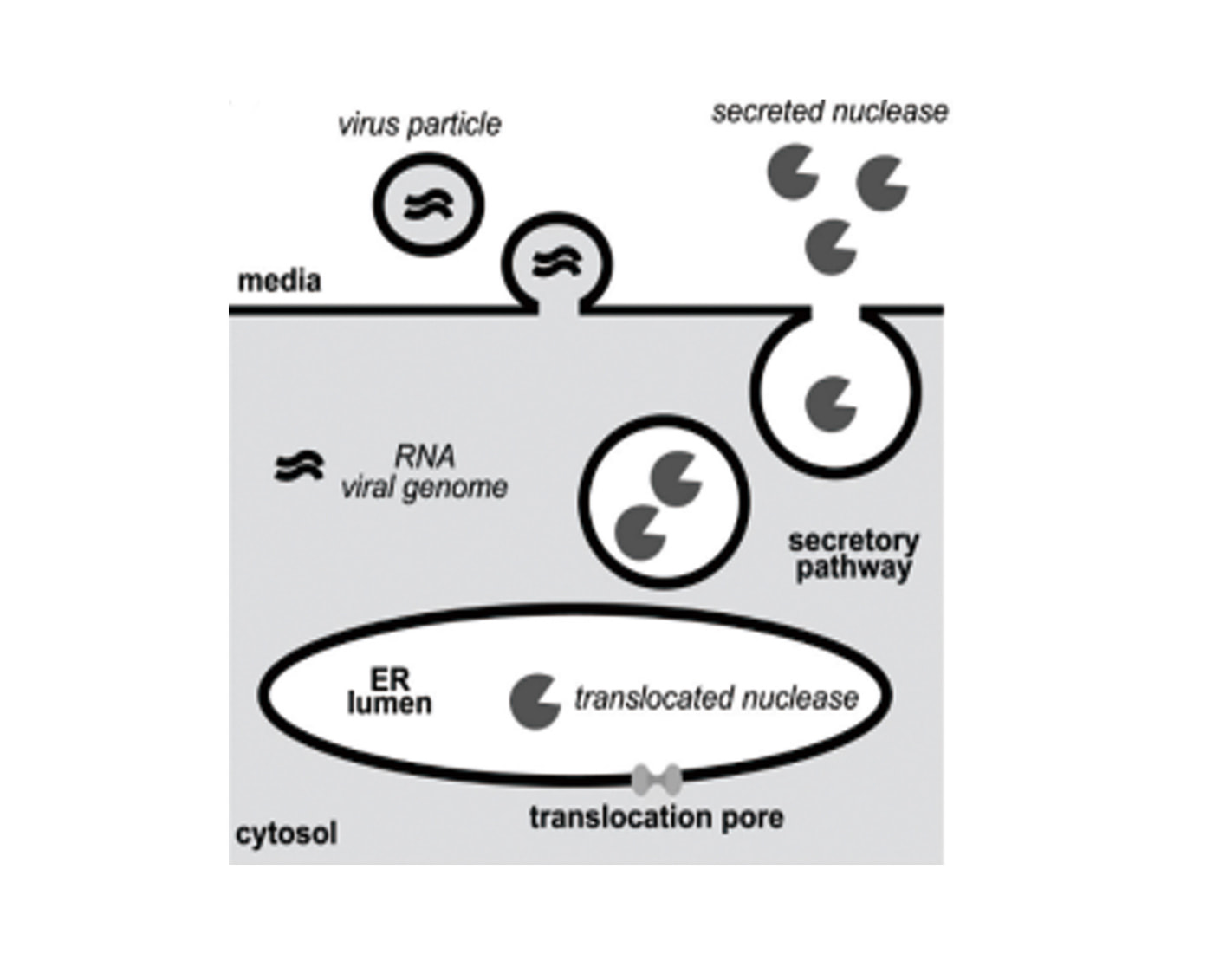
Principle of Viral Transduction
Mammalian cells transduced with lentivirus can rapidly produce high levels of soluble and membrane proteins.